Skip to Navigation

"Sat Dharam's presence, demeanor, knowledge, and communication style make for a very fruitful experience. She creates a secure environment for receptivity, trust, and expression in the participants. She is a fabulous role model, leader, and teacher. Thank you Sat Dharam, you are a blessing and absolutely beautiful." 

— A.M.

Blogs

Eliminate Candida and Heavy Metal Toxicity to Prevent Breast Cancer

 I have been using a test with some of my patients who have had breast cancer called the ION profile from the lab, Metametrix. It is an awesome, though expensive comprehensive blood and urine test. What I have discovered is that these women consistently have a candida overgrowth in the gut and heavy metal toxicity - this is far too common. 

Heavy metal toxicity and Candida infection often occur simultaneously, and ideally are treated together. It will take at least 3 months and up to several years to clear these with proper diet and supplementation. Patients should have naturopathic guidance to both diagnose and treat both conditions.

In my experience, the best anti-candida substance is caprillic acid, followed by grapefruit seed extract and olive leaf extract. Sometimes all three need to be used together in difficult cases, along with an alkaline diet that restricts yeast, sugars, alcohol, peanuts, pistachios, vinegar, fermented foods, mushrooms, dairy and corn. Psyllium seed powder or other fiber would be taken with caprillic acid to increase bowel movements so that the body is not overwhelmed with the yeast die-off. Liver support is also beneficial, along with a good probiotic. For studies on the relationship between candida and breast cancer, see: www.mammalive.net/research/candida-and-breast-cancer

Mercury, copper, cobalt, nickel, lead, tin, and arsenic are know as metalloestrogens and are capable of binding to estrogen receptors, causing increased cell division in breast cells. We therefore need to remove sources of mercury from the body to deter cancer growth. The two major sources of mercury toxicity are fish consumption and dental fillings. For evidence on the effects of heavy metals on breast cells, see www.mammalive.net/research/breast-cancer-and-mercury


Artemesinin and Breast Cancer Supression

Artemisinin is a compound isolated from a species of wormwood, Artemisia annua. It is also known as "Sweet Annie".  It reacts with iron to form toxic free radicals which accumulate inside cancer cells and help to destroy them. Artemesinin is selectively more toxic to cancer cells than normal cells because cancer cells contain significantly more intracellular free iron. Artemisinin can thus selectively kill cancer cells under conditions that increase intracellular iron concentrations. Since it is relatively easy to increase the iron content inside cancer cells, administration of artemisinin-like drugs and intracellular iron-enhancing compounds may be a simple, effective, and economical treatment for cancer.

Research shows that a derivative of artemesia called artesunate causes a dose-dependent decrease in number of cancer cells. Artesunate was able to stop cell division at all phases of the breast cancer cell cycle. 

Artemesinin may be especially effective against estrogen-receptor positive breast cancer. Breast cancer cells can express two primary types of estrogen receptors known as estrogen receptor (ER) alpha and ERbeta. ER alpha is more commonly expressed in breast cancer cells, while ER beta is not. Treatment of breast cancer cells in the lab with artemisinin blocked estrogen-stimulated cell cycle growth. Artemisinin strongly decreased ERalpha protein without altering expression or activity of ERbeta. Artemisinin changes human breast cancer cells from expressing a high ERalpha:ERbeta ratio (which would cause more growth) to a condition in which ERbeta predominates, which decreases breast cancer growth. 

In a study on rats that were given a single oral dose (50mg/kg) of the carcinogen 7,12-dimethylbenz[a]anthracene (DMBA), known to cause multiple breast tumors, artemesinin strongly reduced cancer development. Starting from the day immediately after DMBA administration, one group of rats was fed a powdered rat-chow containing 0.02% artemisinin, whereas a control group was fed plain powdered food. For 40 weeks, both groups of rats were monitored for breast tumors. Oral artemisinin significantly delayed (P<.002) and in some animals prevented (57% of artemisinin-fed versus 96% of the controls developed tumors, P<.01) breast cancer development in the monitoring period. In addition, breast tumors in artemisinin-fed rats were significantly fewer (P<.002) and smaller in size (P<.05) when compared with controls. Since artemisinin is a relatively safe compound that causes no known side effects even at high oral doses, the present data indicate that artemisinin may be a potent cancer-chemoprevention agent.

One of the most reliable sources of artemesinin is from the company Allergy Research Group. Their Artemesinin and PhytoArtemesinin contain 200 mg artemesinin per 2 capsules. The PhytoArtemesinin also contains Gleditsia, another anti-cancer herb. The company recommends 1-4 capsules daily. 

Alkaline Broth Soup

 One of the cleansing practices we can use on a regular basis is to drink an alkaline broth soup. Alkaline minerals (calcium, magnesium, sodium, potassium) are high in fruits and vegetables and assist with cancer prevention, keeping us limber and helping with detoxification. Here's a great recipe, perfect as we move into fall. Drink 2-3 mugs of this a day as you follow a diet consisting of mostly fruits, vegetables, legumes, whole grains, nuts and seeds. By doing this, you will remove food allergens, facilitate heavy metal detoxification and improve kidney function.

Ingredients:

2 sweet potatoes (high in beta carotene, alkaline)

2 onions (liver support, anti-bacterial)

4 carrots (high in potassium and beta carotene, alkaline)

3 celery stalks (alkaline, high in sodium)

1 bunch parsley (kidney cleanser)

6 stalks asparagus (kidney cleanser)

2 cups organic spinach (rich in minerals)

2 cups cilantro (pulls out heavy metals)

3 cloves garlic (liver support, anti-bacterial)

2 tbsp turmeric (liver support, anti-inflammatory)

1 tbsp. dulse powder (rich in minerals, alkaline, restores thyroid)

1 tsp. cayenne (increases circulation)

2 gallons filtered water

brown rice miso (or freshly ground flaxseeds if intolerant)

Chop vegetables. Fill large soup pot with water and add chopped vegetables. Add turmeric powder, dulse powder, cayenne and bring to a boil. Simmer for 2 hours. Pour through a strainer into another pot. Compost the vegetables and keep the broth, or blend the vegetables separately and freeze them to add to another soup at a later date. Mix 2 tsp. miso in a cup with 2 tbsp. of the soup broth and stir until it dissolves – then add this amount to each bowl of soup before serving. The miso should not be boiled. (If you do not tolerate miso or if you have a problem with candidiasis, substitute freshly ground flaxseeds for the miso.) The soup broth will keep for 4 days; you can freeze any extra in ¾ full glass jars.


Antioxidants for Breakfast

As I prepare my morning breakfast of 1/2 cup organic pomegranate juice, 2 tbsp fermented organic soy protein powder, 3 tbsp frozen wheatgrass juice, 1 tbsp powdered greens, 1 banana, 2 tbsp freshly ground flaxseed, 1/2 tsp amla powder I am confident that I am getting a whopping supply of daily antioxidants and breast protective substances. Amla (Indian gooseberry) is one of the highest food forms of antioxidants, while pomegranate juice is one, if not the highest antioxidant-containing beverage.

A 2008 study tested beverages to evaluate which provided the highest antioxidant activity. Four tests evaluated antioxidant potency, one test evaluated antioxidant functionality, while another looked at total polyphenol content. Beverages tested included apple juice, acai juice, black cherry juice, blueberry juice, cranberry juice, concord grape juice, orange juice, red wine, iced tea, black tea, green tea, white tea and pomegranate juice. Pomegranate juice had more than 20% antioxidant potency compared to all the other beverages. The beverages with the highest antioxidant capacity in order of effectiveness were pomegranate juice>red wine>Concord grape juice>blueberry juice>black cherry juice, açaí juice, cranberry juice>orange juice, iced tea beverages, apple juice.  

Coenzyme Q10, Riboflavin and Niacin are Deterrents to Breast Cancer Cell Growth

Eighty-four breast cancer patients were randomized to receive a daily supplement of 100 mg co-enzyme Q10, 10 mg riboflavin (vitamin B2) and 50 mg niacin (vitamin B3), one dosage per day along with 10 mg tamoxifen twice daily.  The combination reduced the the factors that would cause the formation of a blood supply (a process called angiogenesis) to a cancerous tumour and increased the factors that would deter an increased blood supply, while simultaneously causing an increase in DNA repair enzymes and disappearance of DNA methylation (which is recognized as an important component of cancer development), thus offering significant protection and potential reduction in cancer spread and tumour burden. Thus women with a breast cancer history should consider using Coenzyme Q10 and a B complex as part of their recovery strategy.


Mercury and Breast Cancer

Mercury can exert an estrogenic effect on breast cancer cells by binding to estrogen receptors and causing increased cell growth. Other toxic metals that act in a similar way on breast cancer cells are copper, cobalt, nickel, lead and tin. The heavy metals iron, nickel, chromium, zinc, cadmium, mercury, and lead were found to be higher in human breast cancer tumour samples than in benign breast tissue, suggesting that heavy metals are related to malignancy. See www.mammalive.net/research/breast-cancer-and-mercury for research articles.

The two most common sources of mercury toxicity are dental fillings and consumption of fish - in fact anyone who consumes fish even only once a month, or has mercury amalgam fillings, will demonstrate a mercury body burden when tested using a chelating substance such as DMPS, followed by a 6 hour urine collection. I routinely test women for toxic metals and commonly find mercury toxicity in women with a breast cancer history. One of the first recommendations I have to patients is to test for and remove heavy metals - for if these are present, how can our tissues be healthy? Heavy metals disrupt cellular repair and energy production, disturb detoxification mechanisms in the liver and kidneys, accumulate in the brain, thyroid and adrenal glands and contribute to cancer susceptibility. Heavy metals increase the likelihood that infectious organisms such as bacteria, fungus and viruses proliferate, and these too are implicated in breast cancer development.

Canada about to Ban Bisphenol A a Huge Step in Breast Cancer Prevention

There is wonderful news that canada will ban bisphenol A (BPA) by November 2010, which will force manufacturers to find safe alternatives to the estrogen mimicking chemical. A recent Statistics Canada study, conducted in partnership with Health Canada, found that nine out of 10 Canadians aged six to 79, or 91 per cent of the population, have bisphenol A in their urine. Youth between the ages of 12 to 19 had an average level of 1.50 parts per billion -- higher than the overall average of 1.16 parts per billion. Bisphenol A leaches into food from the protective epoxy resin coatings of canned foods and drinks and from polycarbonate tableware, plastic food storage containers and reusable hard plastic bottles, including water cooler bottles. It is a man-made chemical that has been used for decades to harden plastics and is found in reusable water bottles, baby bottles, lenses, helmets, goggles, toys, CDs, DVDs, credit cards, and as a coating for most dental fillings. It is one of the world’s most ubiquitous chemicals, with more than 2.2 million tonnes produced each year. Studies show that low level of exposure to bisphenol A early in life predisposes us to learning difficulties, diabetes, breast cancer, infertility, early onset of puberty and male sexual dysfunction. Men exposed to bisphenol A (BPA) in the workplace had four times the risk of erectile dysfunction and seven times the risk of ejaculation problems when compared with men who did not have workplace exposure to the compound. Happily, Canada has been the first country in the world to declare it a toxic substance. Thankfully, the Canadian dental association is advising dentists to search for BPA free materials, which are not yet readily available. The ban will force the dental industry to come up with safer substances for use in fillings and dental appliances. For more information on bisphenol A and breast health, see www.mammalive.net


Preventing Early Puberty in Girls

A recent study (published in the American journal, Pediatrics) of 1,239 girls in Harlem, Cincinnati and the San Francisco area revealed that more U.S. girls are starting puberty younger, with many developing breasts and pubic hair as early as seven.
Nearly a quarter of black girls (23.4 percent), 14.9 percent of Hispanic girls and 10.4 percent of white girls develop breasts by the age of seven.
Twenty percent of seven-year-old black girls had pubic hair, as did around 6.5 percent of white and Hispanic girls.
The study found that at age eight, more than four in 10 black girls (42.9 percent) were developing breasts and nearly a third had pubic hair.
Compare these numbers to 1997 statistics, when only five percent of seven-year-old white girls and around 15 percent of black girls of the same age were developing breasts.
Girls who go through puberty earlier have a doubled risk of breast cancer later in life, as well as higher risk of endometrial and ovarian cancer. They are also more likely to become sexually active at an earlier age, and experience low self-esteem, eating problems and depression.
Although the study did not speculate as to what was causing earlier puberty, we know that the following factors are likely to blame:

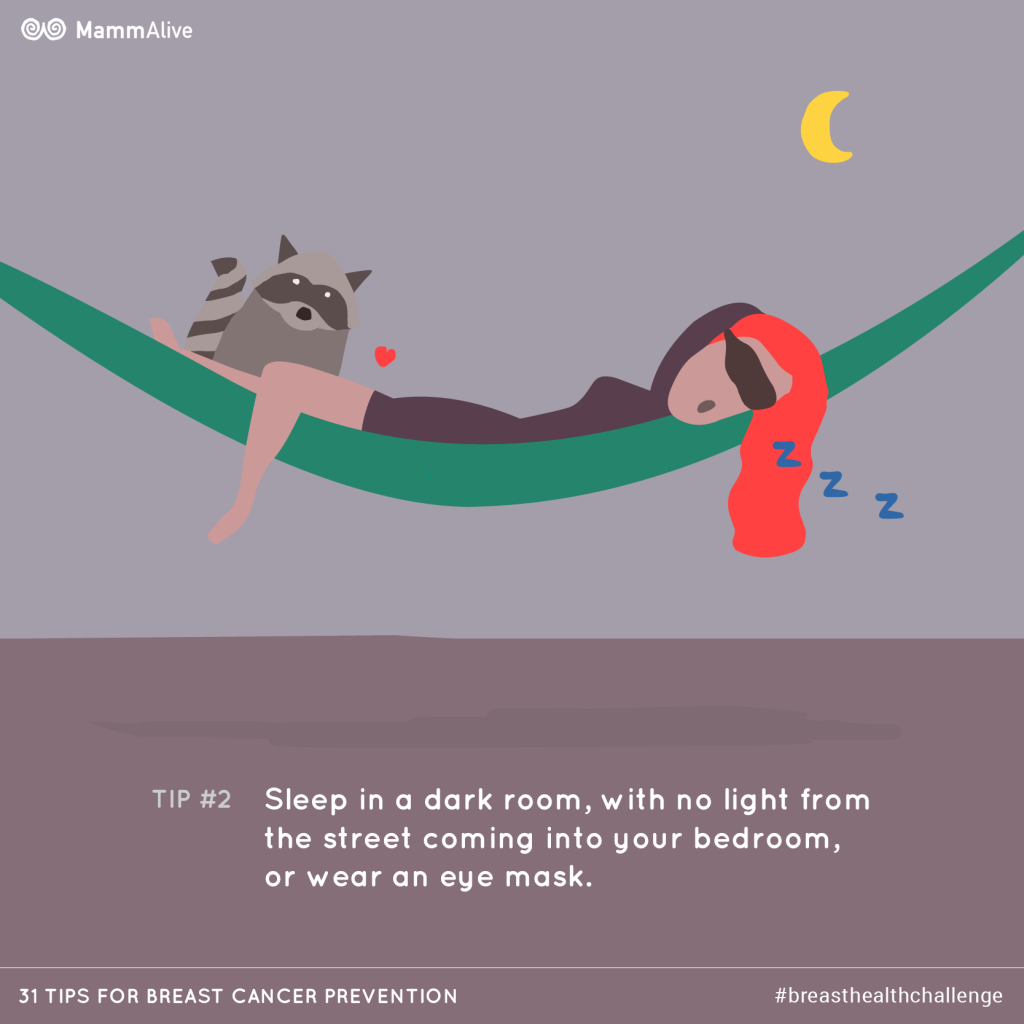
  1. exposure to light at night, which decreases melatonin levels
  2. intake of bovine growth hormone found in dairy products
  3. high fat diet, particulary from meat, cheese, fried foods, junk food
  4. constipation; deficiency of dietary fiber (ideally we should have 3 bowel movements per day and 45 grams of fiber per day)
  5. obesity and lack of exercise
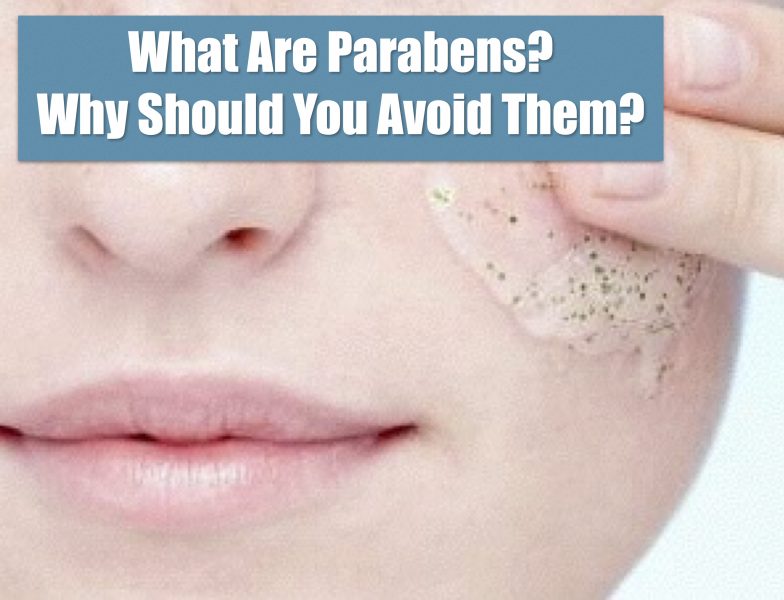
  6. exposure to chemicals that mimic estrogen, found in plastics (bisphenol-A and phthalates), pesticides, fire retardants, industrial cleansers, dioxin, PCBs, PVC (vinyl), parabens (preservatives in cosmetics), mercury, cadmium, lead

In order to reverse this trend we can:

  1. rid our bodies of environmental chemicals before we conceive our children through the intensive use of saunas (150 hours) and a liver and bowel detoxification program so that we do not pass on our accumulated load of environmental estogens on to our children
  2. stall puberty in girls by: encouraging 4 hours a week of athletic activity; utilizing a diet high in the protective phytoestrogens such as organic soy and flaxseed to displace the stronger estrogens; reduce consumption of meat and fat to minimize estrogen intake and reabsorption from the intestines; decrease exposure to environmental estrogens or "xenoestrogens"; increase elimination of xenoestrogens through improving liver function and the regular use of saunas; decreasing exposure to light and electromagnetic fields at night to increase melatonin production; prevent obesity in our daughters, since puberty is partially triggered when a certain level of fat is present in a young girl's body
  3. encourage higher circulating amounts of estriol (the weak protective estrogen) and lower amounts of estradiol through vegetarian diets high in seaweeds (for iodine), phytoestrogens, fiber and the Brassica family (cabbage, Brussel sprouts, cauliflower, kale etc.) and through normalizing or improving thyroid and liver function 

Red Clover Inhibits Breast Cancer

Red clover has been traditionally recommended as an herb to prevent or treat breast cancer and current scientific research supports its role as a cancer prevention agent. Red clover can be taken as a tea, herbal tincture, as capsules, or is easily sprouted from seed.

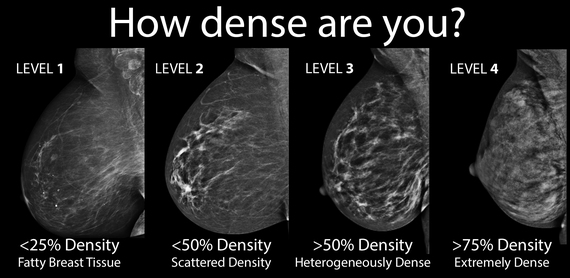
A three-year study supports the growing evidence that red clover (Trifoliumn pratense) isoflavones are safe and well tolerated in healthy women. Supplements containing red clover isoflavones do not adversely affect breast density, skeletal strength or cardiovascular status. Biochanin A (BCA) is a dietary isoflavone present in red clover that helps prevent various cancers including prostate, breast, and colon cancer. One of the ways in which Biochanin A may work is by increasing production of the class of detoxifying enzymes known as sulfotransferases. Sulfotransferases are a group of enzymes used in phase II detoxification in the liver and in the body to break down chemical toxins that may act as carcinogens. Sulfotransferases also help to metabolize estrogen. When these enzymes are improperly regulated, we can be more prone to cancer and other diseases related to excess estrogen. Chronic BCA treatment significantly induced the expression of sulfotransferases in rats, thereby potentially decreasing susceptibilty to drug-induced cancers. In traditional western herbal medicine, red clover is considered a detoxifier and blood cleanser, and likely one of the ways in which it succeeds in detoxification is through increasing the sulfotransferase enzymes.                                                                                                     

Cytochrome P450 (CYP) 19 enzyme, or aromatase, is an enzyme that helps convert androgens to estrogen, notably in fat cells in postmenopausal women. Biochanin A inhibits this enzyme, decreasing aromatase activity (acting like the drug Femara or Arimidex) and slows down estrogen-driven cell growth. 

Biochanin A also can bind to a receptor called AhR in breast cancer cells that otherwise could attract a chemical carcinogen (such as dioxin), thus preventing the action of various carcinogens on breast cancer cells.

Red clover products vary in the concentration of their biologically active components, suggesting a need for standardization in product development to ensure subsequent reliability. 

Try increasing your consumption of red clover by drinking it as a tea daily (hot or cold) or consuming 1/2 cup of sprouts daily, add to salads, bean dishes, or on a sandwich.

Pesticides, Food and Breast Cancer

Almost 10 years ago I instigated a group called The Rachel Carson League in Owen Sound whose mandate was to raise awareness about the harmful health effects of pesticides and work towards a local ban. After 2 years of political lobbying and promises but no action from local council members, I became frustrated, disillusioned, disappointed and withdrew my efforts, while others more patient than I carried on.

In April 2009, it became illegal to sell or apply pesticides for cosmetic lawncare in Ontario, Canada. The ban states that:  Pesticides cannot be used for cosmetic purposes on lawns, vegetable and ornamental gardens, patios, driveways, cemeteries, and in parks and school yards. There are no exceptions for pest infestations (insects, fungi or weeds) in these areas, as lower risk pesticides, biopesticides and alternatives to pesticides exist. More than 250 pesticide products are banned for sale and over 95 pesticide ingredients are banned for cosmetic uses.  The Ontario ban provides for the continued use of some banned pesticides for special applications, under strict oversight of the Ministry of the Environment. Other exceptions include combatting poisonous plants or disease-carrying insects.

And now the very good news: 168 stream water samples were taken over 2008 and 2009, representing the water quality before and after the ban took effect. Sampling points were selected in areas mainly influenced by residential run-off -- away from golf courses, sewage treatment plant effluents, and agricultural applications. The samples were analyzed for 105 pesticides and pesticide degradation products. The results are dramatic: three pesticides estimated to account for half of lawn care product applications dropped by 86% (2,4-D), 82% (dicamba), and 78% (MCPP: 2-methyl-4-chlorophenoxyacetic acid). On the other hand, concentrations of glyphosphate (Roundup) and carbaryl did not drop significantly. The results for glyphosphate (Roundup) are attributed to continued use of this pesticide in certain exempted applications. The carbaryl results are not explained; perhaps this is due to the persistence of carbaryl in sediment.

I predict that in a few years we will see the breast cancer and childhood cancer rates decline slightly in Ontario as a result of this ban, as many pesticides have been shown to cause these cancers when studied in animals.

We can also be judicious in avoiding pesticides on the food we eat. The following chart from the environmental working group ranks fruits and vegetables in terms of least sprayed to most sprayed, top to bottom. When shopping for celery, peaches, strawberries, apples, blueberries, nectarines, sweet bell peppers, spinach, cherries, kale, collard greens, potatoes and lettuce - choose organic.

1 Best (Least Sprayed) Onions
2 Avocado
3 Sweet Corn (Frozen)
4 Pineapples
5 Mango (Subtropical and Tropical)
6 Sweet Peas (Frozen)
7 Asparagus
8 Kiwi Fruit (Subtropical and Tropical)
9 Cabbage
10 Eggplant
11 Cantaloupe (Domestic)
12 Watermelon
13 Grapefruit
14 Sweet Potatoes
15 Honeydew Melon
16 Plums (Domestic)
17 Cranberries
18 Winter Squash
19 Broccoli
20 Bananas
21 Tomatoes
22 Cauliflower
23 Cucumbers (Domestic)
24 Cantaloupe (Imported)
25 Grapes (Domestic)
26 Oranges
27 Red Raspberries
28 Hot Peppers
29 Green Beans (Imported)
30 Cucumbers (Imported)
31 Summer Squash
32 Plums (Imported)
33 Pears
34 Green Beans (Domestic)
35 Carrots
36 Blueberries (Imported)
37 Lettuce
38 Grapes (Imported)
39 Potatoes
40 Kale / Collard Greens
41 Cherries
42 Spinach
43 Sweet Bell Peppers
44 Nectarines
45 Blueberries (Domestic)
46 Apples
47 Strawberries
48 Peaches
49 (Worst) (Most Sprayed) Celery